





Gran Canaria is full of contrasts. In a single day, you can walk across golden dunes by the Atlantic, wander through fragrant pine forests, visit traditional villages and admire breathtaking volcanic viewpoints. It's no surprise the island is often called a "miniature continent."
Five days are enough to experience Gran Canaria's most iconic places – but you need a plan. The secret is to organise your trip by geographical areas, combining coastline, nature and cultural heritage to make the most of your time.
Below you'll find a complete 5-day itinerary through Gran Canaria, including suggestions for each day, practical tips for getting around the island and accommodation recommendations.
Day 1: Southwest Beaches, Puerto de Mogán and Sunset at the Maspalomas Dunes
The south is the most practical place to begin your journey. All today's stops are close to one another, allowing you more time to enjoy the island and less time behind the wheel.
Puerto Rico, Amadores Beach or Anfi del Mar
Start your morning along the southwest coast. Choose between the white sands of Amadores Beach, the lively atmosphere of Puerto Rico or the calm bay of Anfi del Mar.
If you'd like to add something special to your day, both Puerto Rico and Puerto de Mogán offer morning boat trips for dolphin watching, snorkelling and catamaran cruises. If you're simply looking for a relaxing beach day, arrive early, as parking fills up quickly during the high season.
Puerto de Mogán
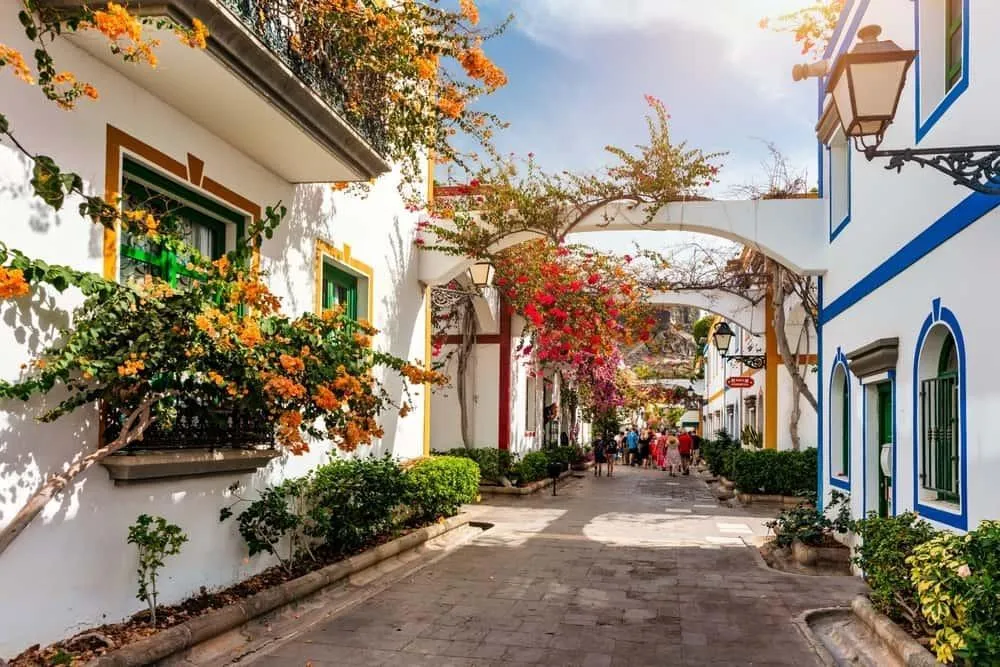
Later in the morning, continue to Puerto de Mogán. Its canals, charming bridges and bougainvillea-covered façades have earned it the nickname "Little Venice of the Atlantic."
Allow at least an hour to stroll around the marina and enjoy fresh fish at one of the waterfront restaurants. Just above the village, the Playa de Mogán viewpoint offers spectacular views over the harbour and the Atlantic.
Sunset at the Maspalomas Dunes
End the day at the Maspalomas Dunes, one of Gran Canaria's most recognisable landscapes. Stretching for kilometres along the coast, these golden dunes create the impression of a desert meeting the sea.
Arrive around two hours before sunset to explore the dunes at a relaxed pace, visit the Maspalomas Lighthouse and watch the sand change colour as the evening light fades.
If you have extra time in the afternoon, Maspalomas Beach is the perfect place for one last swim before sunset.
Day 2: Las Palmas de Gran Canaria – City Beach and Historic Old Town
The island's capital combines historic neighbourhoods, multicultural modern lifestyle and an excellent food scene. It's well worth dedicating a full day to exploring, with the morning at Las Canteras and the afternoon in the historic centre.
Las Canteras and the Seafront Promenade
Leave your car in the El Rincón car park (around €3 for the day), next to the Alfredo Kraus Auditorium, and begin your walk from the western end of Las Canteras Beach.
With over three kilometres of black and golden sand and a natural reef protecting its calm waters, Las Canteras is widely regarded as one of Europe's best city beaches. If the weather is kind, take the opportunity for a swim.
At the end of the promenade you'll find Mercado del Puerto, an excellent place to sample local produce. If you have time afterwards, visit Castillo de La Luz, a 15th-century fortress nearby.
Vegueta and Triana
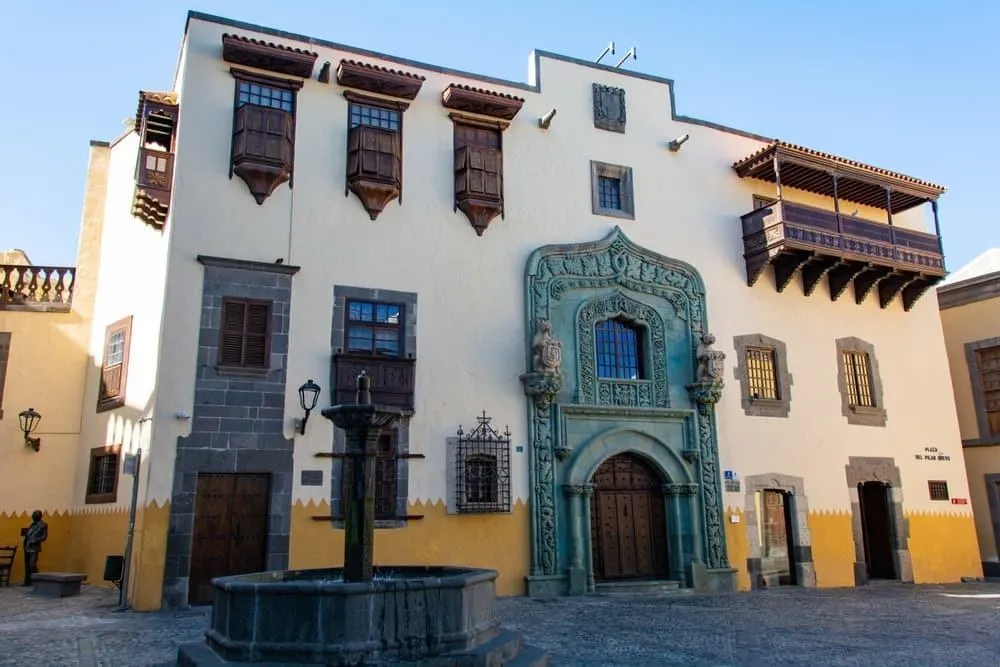
Spend the afternoon exploring Vegueta, the oldest town of Las Palmas. Its cobbled streets still follow the city's original layout and once formed an important link between Europe, Africa and the Americas.
Here you'll find Santa Ana Cathedral and Casa de Colón, the place where Christopher Columbus took a stopover before discovering The New World. Just a short walk away begins Triana, a lively pedestrian shopping street lined with elegant buildings, cafés and terraces where you can round off the day at your own pace.
Day 3: Gran Canaria's Mountains – Roque Nublo, Pico de las Nieves and Tejeda
Today's scenery couldn't be more different. Pine forests, dramatic ravines and volcanic rock formations replace the coastline. Set off early, to take advantage of the morning freshness, especially if you plan to go hiking a little longer.
Roque Nublo and Pico de las Nieves
Roque Nublo is Gran Canaria's most iconic natural landmark. Several hiking trails of varying lengths and difficulty start from the designated car parks, allowing you to choose a route that suits your fitness level.
Please note that access to the natural monument is currently regulated by the Island Council, so advance booking is required.
If you still have plenty of energy afterwards, continue to Ventana del Nublo, a striking natural rock arch overlooking the volcanic landscape.
Just a few minutes away by car lies Pico de las Nieves, the island's highest point. On clear days you can even see Mount Teide rising above neighbouring Tenerife.
Tejeda
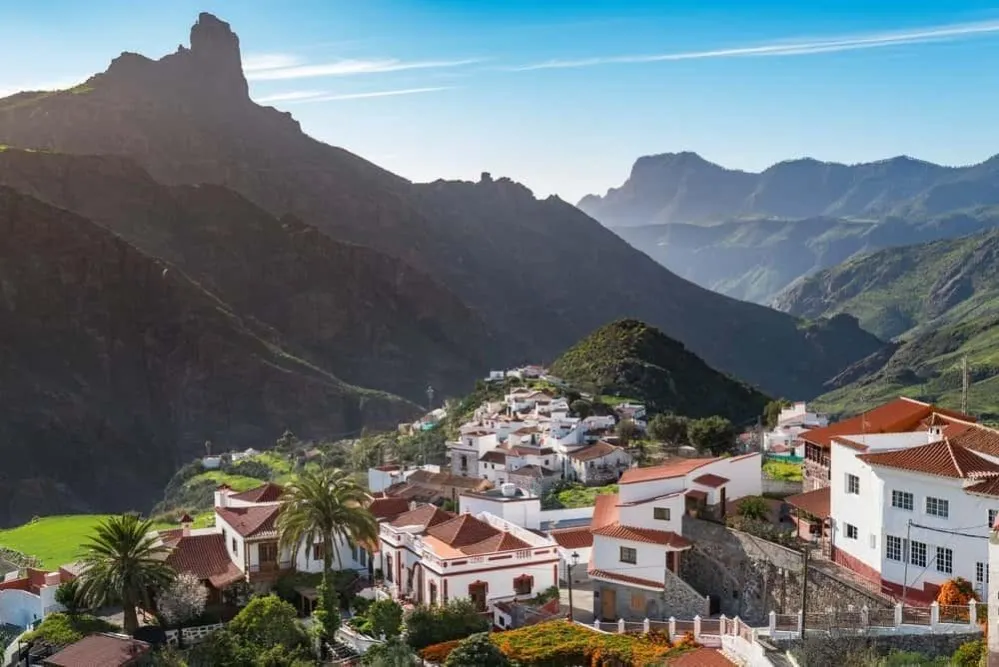
After your walk, stop in Tejeda, one of the island's most picturesque mountain villages. Traditional architecture and panoramic views of Roque Nublo and Roque Bentayga make it an unforgettable place to visit.
It's also the perfect opportunity to enjoy lunch and sample the almond sweets for which the village is famous.
Cruz de Tejeda
Finish the day at Cruz de Tejeda, one of Gran Canaria's classic viewpoints, with sweeping views over mountains and ravines. If the sky is clear, stay a little longer and watch the changing light before returning to the south.
Tip: Temperatures in the mountains can be several degrees cooler than along the coast, even in summer. Bring a light jacket and comfortable walking shoes.
Day 4: Agaete, Tamadaba and the Archaeological Heritage of the Northwest
The northwest is one of the island's quieter regions, where dramatic cliffs, fishing villages and archaeological sites reveal another side of Gran Canaria.
Agaete – A Village with Maritime Charm
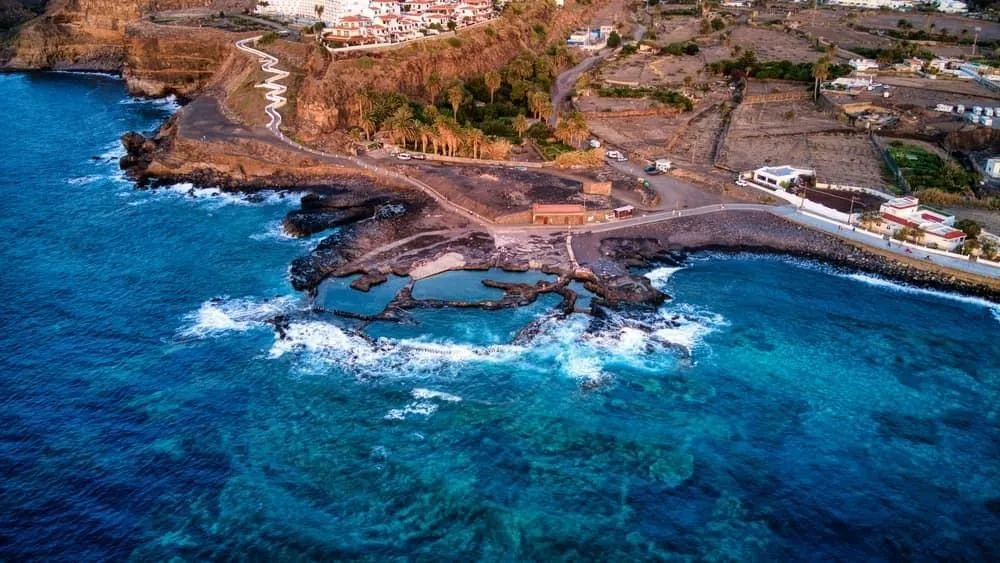
Start your day in Agaete, where the historic centre invites you to slow down before heading to Puerto de las Nieves and its seafront restaurants.
From here, you can choose between two options.
Option 1 – Hiking in Tamadaba
Tamadaba Natural Park is home to Canary pine forests, deep ravines and spectacular viewpoints overlooking the west coast.
Depending on your chosen route, allow between two and four hours. From Agaete, it's approximately a one-hour drive to the recreational areas where most trails begin.
Afterwards, Artenara, the highest village on the island, makes an excellent stop for lunch.
Option 2 – Coastline and History
Enjoy a swim in one of Gran Canaria's finest natural pools in Agaete or spend some time at the idyllic Sardina del Norte Beach, both especially enjoyable during the summer months.
Later, continue to Gáldar to visit the Cueva Pintada Archaeological Park, one of the Canary Islands' most important pre-Hispanic archaeological sites.
Before the day ends, head to Sardina del Norte Lighthouse to enjoy a spectacular sunset overlooking Tenerife.
Day 5: Charming Villages of the North and Interior
Your final day takes you through historic churches, traditional markets and humble rural landscapes that showcase perfectly the diversity of Gran Canaria.
Bandama Caldera
Begin at Bandama Caldera, one of Gran Canaria's youngest volcanic craters.
The main viewpoint offers panoramic views across the entire crater. If you have more time, follow the easy three-kilometre circular trail around the rim for different perspectives of the landscape.
The surrounding area is also one of the island's best-known wine-producing regions, making it an ideal place to visit a local winery and sample Canarian wines.
Santa Brígida and Vega de San Mateo
Santa Brígida and Vega de San Mateo are closely linked to Gran Canaria's agricultural traditions and local gastronomy.
If you're visiting over the weekend, their markets are an excellent place to discover artisan cheeses, local wines, and seasonal fruit.
Teror
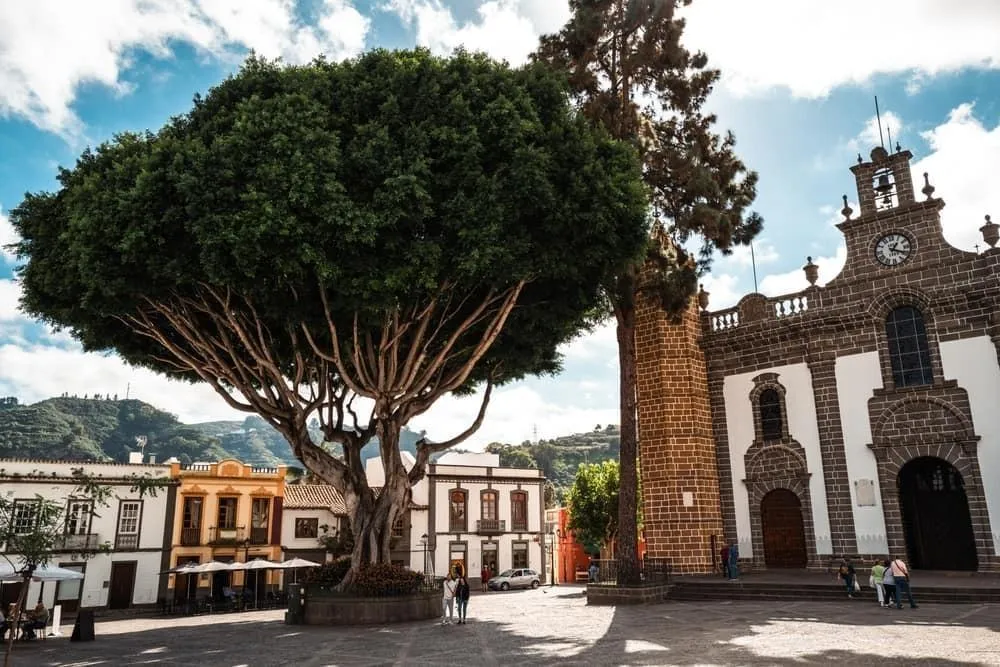
Teror is one of the island's most charming inland towns. Wooden balconies, cobbled streets, and the Basilica of Nuestra Señora del Pino create a unique atmosphere that attracts pilgrims throughout the year.
It's also an excellent place to try traditional Canarian specialities, like “Chorizo de Teror”.
Firgas
Known as the "Village of Water," Firgas features an attractive promenade decorated with waterfalls and colourful ceramic benches. A pleasant stop before continuing your journey.
Arucas
End your itinerary in Arucas, where the impressive neo-gothic church built from volcanic stone dominates the historic centre.
If time allows, visit the Arehucas Rum Distillery to discover the history and production of one of Gran Canaria's best-known rums.
Practical Tips for Visiting Gran Canaria in 5 Days
- Hire a car. Although public transport is available, many mountain routes, viewpoints, and inland villages are much easier to reach by car.
- Start in the south. It's the ideal base thanks to excellent road connections and a reliably pleasant climate, allowing you to relax at your hotel after each day's adventures.
- Try Canarian cuisine. Papas arrugadas (wrinkled potatoes) with mojo sauce, gofio, artisan cheeses, fresh fish, and hearty local stews are all worth tasting during your trip.
- Be prepared for different microclimates. While the southern coast enjoys mild weather throughout the year, temperatures in the mountains are noticeably cooler. Dressing in layers is recommended.
Where to Stay: One Hotel for Your Entire Trip
Staying in the south of Gran Canaria makes it easy to reach the beaches, the mountains, Las Palmas, and the northwest while enjoying one comfortable base throughout your holiday.
Our recommendations include:
- Hotel Dunas Mirador Maspalomas – Comfortable rooms, spacious pool areas, and a relaxed atmosphere, ideal for combining sightseeing with well-earned rest. Check availability.
- Hotel Dunas Don Gregory – An adults-only hotel right on San Agustín Beach, offering ocean views and a peaceful setting for balancing island exploration with moments of relaxation. Check availability.
- Hotel Dunas Suites & Villas Resort – Spacious suites offering privacy and comfort, just minutes from the Maspalomas Dunes. Perfect for families and groups. Check availability.
- Hotel Dunas Villas Maspalomas – Independent villas that provide extra space while still enjoying all the services of a resort. Ideal for longer stays. Check availability.
- Bungalows Dunas Maspalomas – Surrounded by gardens, they combine the freedom of apartment-style accommodation with the facilities of a resort, making them an excellent base for discovering the island at your own pace. Check availability.
Frequently Asked Questions
Are five days enough to visit Gran Canaria?
Yes. As long as you organise your itinerary by geographical areas instead of travelling from one side of the island to the other each day, you'll be able to experience the coast, the capital, the mountains, the northwest, and the island's charming inland villages without excessive driving.
Is it necessary to hire a car?
It's highly recommended. Many mountain areas, viewpoints, and inland villages have limited public transport connections.
When is the best time to visit?
Gran Canaria enjoys a pleasant climate year-round, especially in the south, making it an excellent destination in every season. If you're planning to visit the mountains, always bring an extra layer for cooler temperatures.
Where should I stay if I want to explore the whole island?
The southern part of the island is the best base thanks to its reliable sunshine and convenient connections to the rest of Gran Canaria. Choose the accommodation that best suits your trip, whether you're travelling as a couple, with family, or in a group.
