





Gran Canaria may cover just 1,500 km², but its landscapes are so varied that it feels like an entire continent in miniature. In less than an hour, you can go from the golden dunes of the south to the pine forests and misty mountain landscapes of the island’s interior.
Planning your trip to Gran Canaria can feel overwhelming with so many stunning landscapes, picturesque villages, coastal spots and local culinary treats to choose from. Knowing where to begin, which stops are truly essential and how to make the most of your time is key to crafting the perfect itinerary.
In this guide, we bring together the best places to visit in Gran Canaria, organised by type so you can plan your days more easily. You’ll find must-see landmarks, estimated driving times, ideas for creating your own route around the island and practical tips for discovering authentic Canarian flavours along the way.
Nature and Inland Gran Canaria: What to See Among Mountains and Volcanoes
Gran Canaria’s interior is a world away from the island’s better-known beaches. Volcanic landscapes, deep ravines and mountain villages reveal a quieter, more rugged side of the island and are among the best places to visit in Gran Canaria if you want to experience its natural side.
From dramatic mountain scenery to traditional villages surrounded by volcanic landscapes, there are plenty of places to see in Gran Canaria beyond the coast. Two of the island’s most distinctive natural attractions are Roque Nublo and Guayadeque Ravine.
Roque Nublo
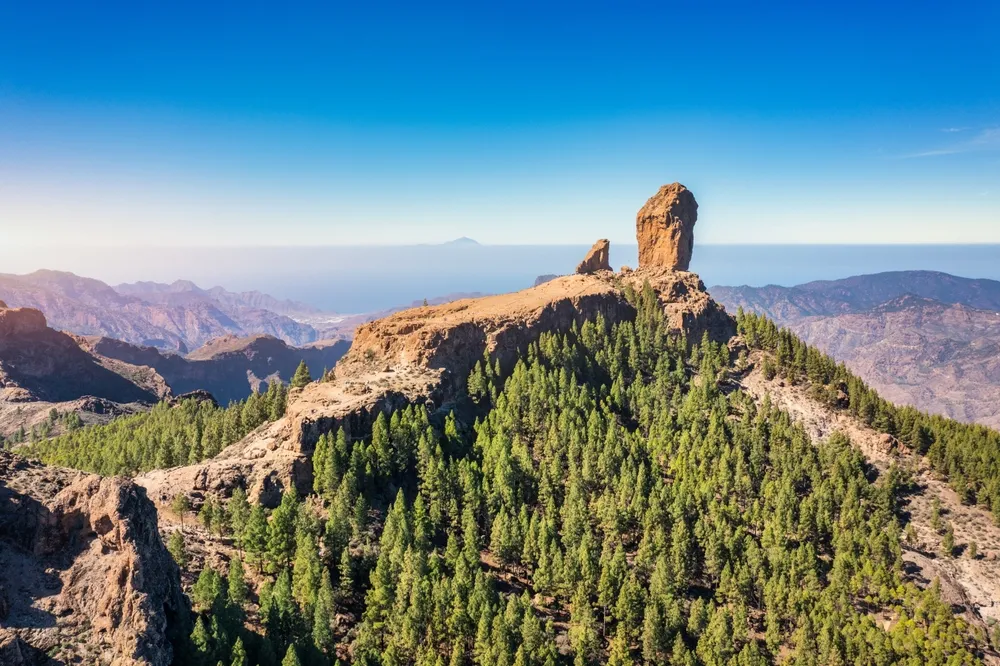
Standing at around 80 metres high and 1,813 metres above sea level, Roque Nublo is one of the most recognisable Gran Canaria attractions and one of the island’s most iconic natural landmarks. This impressive volcanic rock formation was considered a sacred place by the island’s ancient inhabitants and remains one of the must-see places in Gran Canaria today.
On clear days, the views stretch across the western part of the island and, from certain points, towards Mount Teide on neighbouring Tenerife. The combination of dramatic volcanic scenery and panoramic mountain views makes Roque Nublo one of the highlights of any trip around the island.
From Las Palmas de Gran Canaria or Maspalomas, the journey takes approximately 1 hour and 15 minutes by car, using the GC-60 and GC-15 roads.
The most popular walk starts at the La Goleta car park. The route is around 3 km there and back, with an uphill section that takes approximately 30 minutes. The terrain is uneven and includes a moderate climb, so suitable footwear is recommended.
After visiting one of the island’s most famous landmarks, you can continue to nearby Tejeda and enjoy traditional Canarian cuisine at Ca’ Chano, a restaurant known for its local dishes.
Guayadeque Ravine and Its Cave Houses
Located between Ingenio and Agüimes, Guayadeque Ravine is another of the most striking places to visit in Gran Canaria. Its lush native vegetation contrasts with the surrounding volcanic terrain, while cave dwellings carved into the mountains provide a glimpse into the island’s traditional way of life.
The road through the ravine allows you to explore the area by car, with viewpoints and places to stop along the way. You can also visit the interpretation centre to learn more about the natural and cultural heritage of Guayadeque.
For a memorable meal in the mountains, Cueva Tagoror offers the chance to enjoy traditional Canarian cuisine in a unique cave setting.
Beaches and Coastal Highlights: More Than Sand and Sea
For many visitors, the beaches are among the main reasons to visit Gran Canaria. But the island’s coastline offers much more than golden sand and clear waters. From vast protected dunes and an iconic city beach to picturesque harbours and sheltered bays, there are plenty of places to visit in Gran Canaria along the coast.
Here are some of the island’s most distinctive coastal highlights:
Maspalomas Dunes
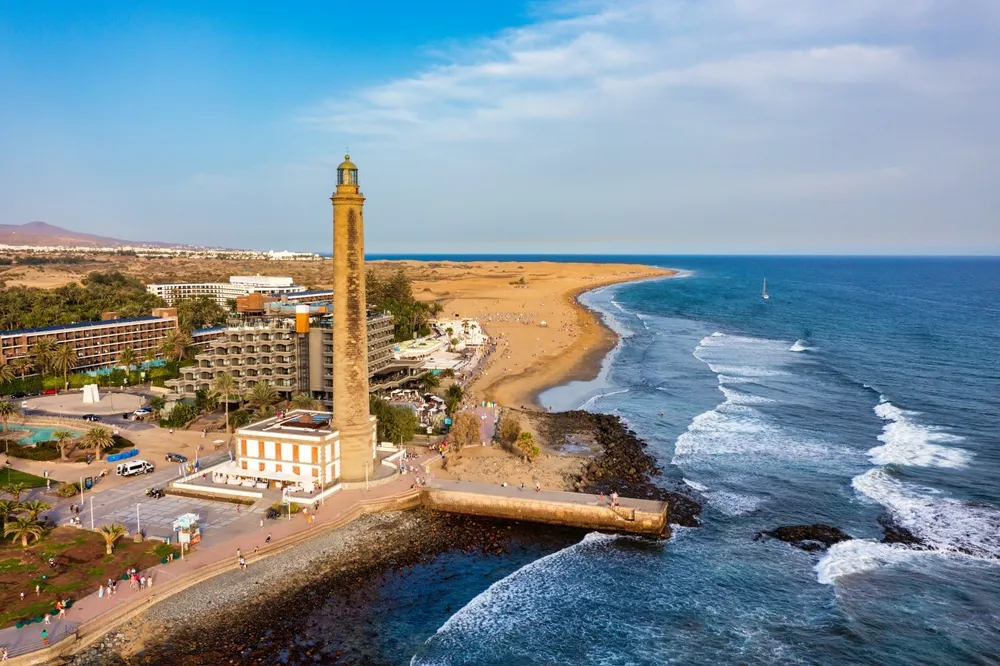
The Maspalomas Dunes are undoubtedly one of the best-known natural attractions in Gran Canaria. This protected area covers more than 400 hectares and combines an impressive landscape of organic sand dunes with a brackish lagoon that provides an important habitat for migratory birds, as well as a palm grove.
The dunes are one of the most memorable places to see in Gran Canaria, particularly around sunset, when the changing light transforms the landscape. One of the best viewpoints can be found near the Riu Palace Maspalomas, while the coastal path towards Maspalomas Lighthouse is ideal for taking in the scenery at a slower pace. The lighthouse dates back to 1890 and is another of the area's most recognisable landmarks.
To help protect this unique natural reserve for future generations, visitors are kindly asked to stick to designated walking paths when exploring the dune landscape.
If you wish to stay right on the doorstep of this iconic location, Suites & Villas by Dunas and Maspalomas Resort by Dunas provide an ideal setting close by.
Las Canteras Beach
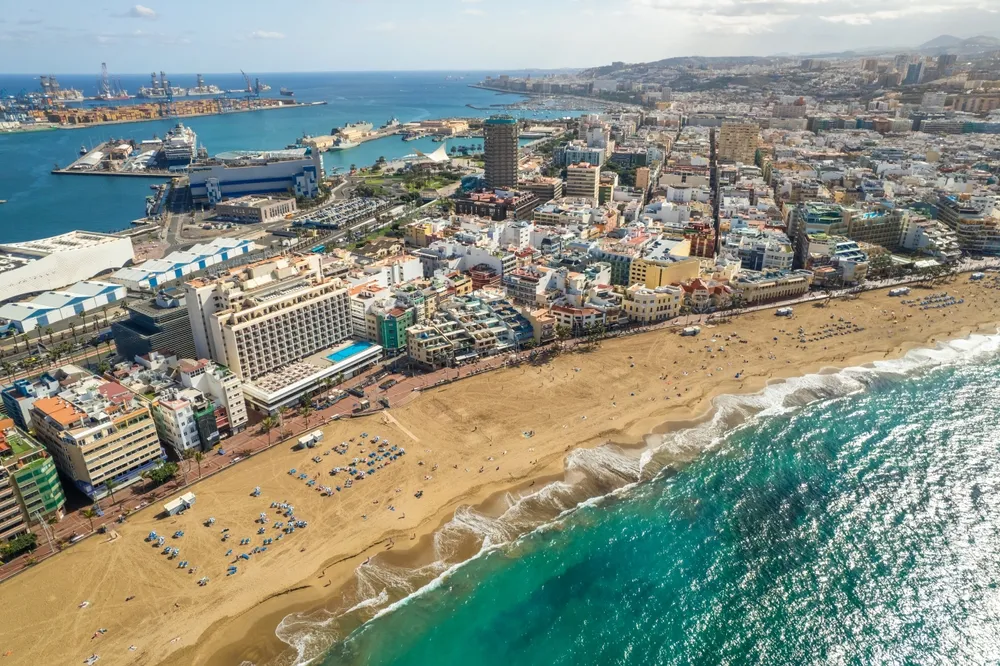
Stretching for more than 3 km along the coast of Las Palmas de Gran Canaria, Las Canteras Beach is one of the island’s most popular urban beaches. Its natural sandstone reef, known as La Barra, acts as a barrier against the Atlantic and creates calmer waters in parts of the beach.
It is a great place to combine a day at the beach with some of the city's other attractions. You can go snorkelling, try surfing or simply walk along the promenade before stopping for fresh seafood.
The nearby La Marinera area and Mercado del Puerto are also good options for discovering the local food scene while exploring one of the most emblematic beaches in Gran Canaria.
Puerto de Mogán
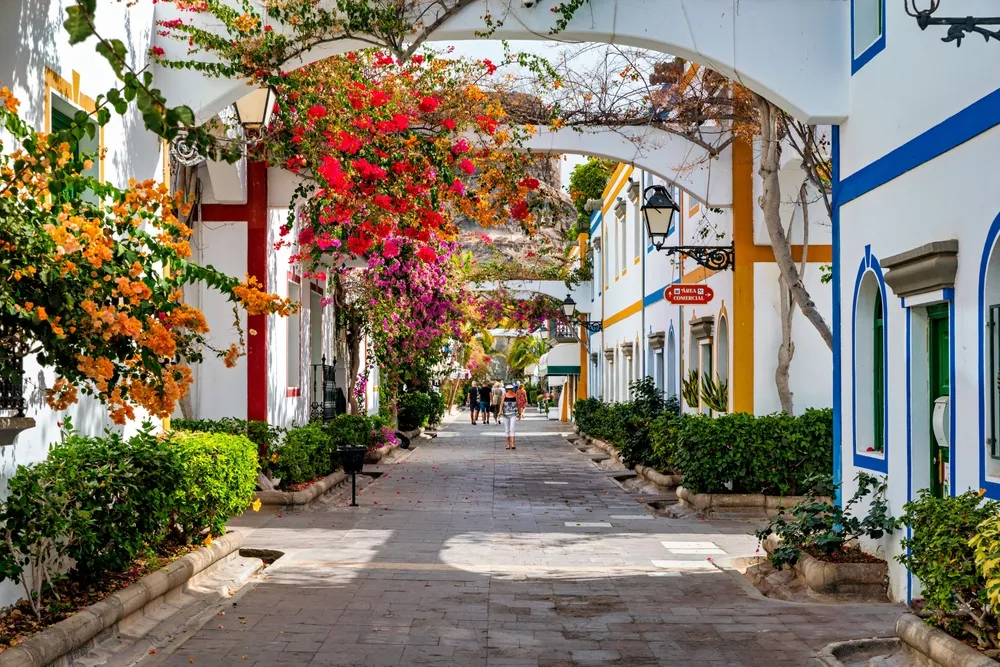
Often referred to as one of the prettiest coastal spots on the island, Puerto de Mogán stands out for its colourful houses, flower-filled streets, canals and traditional marina.
Situated along the south-western coast, Puerto de Mogán is reachable in roughly 20 minutes by car from Maspalomas along the GC-1. Thanks to its serene ambiance, it serves as an excellent spot for families and travelers seeking a tranquil day by the ocean.
You can stroll through its charming flower-adorned alleyways, wander around the picturesque marina, or head to the port to set sail on a boat trip or dolphin and whale-watching tour.
For adults looking for a peaceful base from which to explore this part of the island, Maspalomas Villas by Dunas offers an adults-only accommodation option.
Charming Villages: Discover Gran Canaria’s Historic Heritage
Exploring the island’s towns and villages is one of the best ways to discover a different side of Gran Canaria. Away from the main tourist resorts, historic streets, traditional architecture and local markets offer a closer look at the island’s culture and heritage.
If you are looking for places to visit in Gran Canaria beyond its beaches and natural landscapes, make time for some of its most historic areas and traditional villages.
Vegueta and Triana
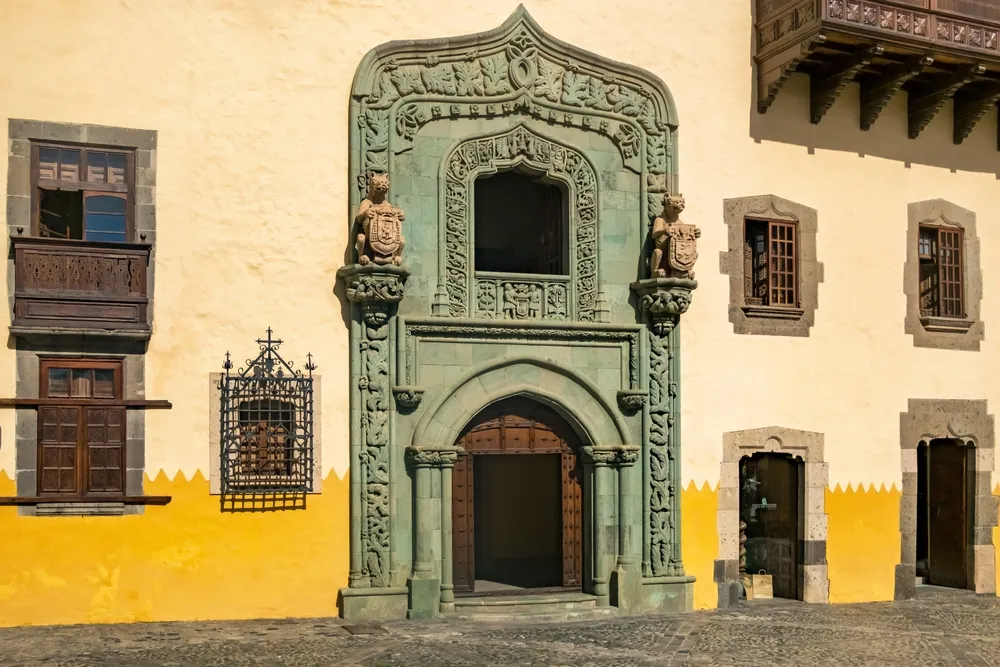
In the center of Las Palmas de Gran Canaria, the historic districts of Vegueta and Triana are perfect for a walking tour. Their cobblestone streets, heritage buildings, and lively plazas display centuries of island history.
Key landmarks in Vegueta include the Santa Ana Cathedral, Casa de Colón, and the Museo Canario. Stroll at your own pace through the historic lanes and soak in the vibrant atmosphere of Plaza de Santa Ana.
This area is also ideal for savoring local gastronomy. Head to Calle Mendizábal or the Mercado de Vegueta to sample tapas and experience authentic Canarian cuisine.
Teror and the Basilica of Virgen del Pino
Located in the island’s interior, Teror is one of the most traditional towns to visit in Gran Canaria. Its historic centre is particularly recognisable for its traditional Canarian balconies and colourful façades.
The Basilica of Virgen del Pino is the town’s main landmark and an important religious site on the island. From here, you can stroll along Calle Real, explore the historic centre and experience the local atmosphere.
Teror is also well known for its traditional food. Among the local specialities is chorizo de Teror, while the Sunday market provides an opportunity to browse local products and experience one of the island’s most traditional weekly markets.
Arucas
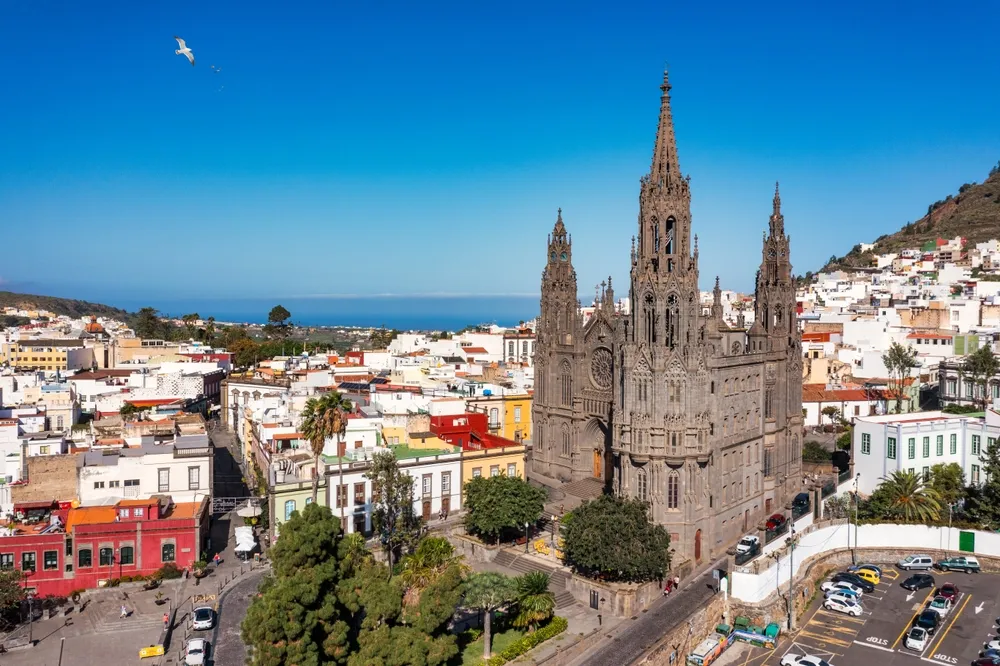
Situated close to Las Palmas de Gran Canaria, Arucas stands out as a compelling stop when discovering the island’s historic centers. Renowned for its iconic blue-grey stone and deep-rooted ties to sugar cane cultivation, the town boasts a rich heritage.
The skyline is dominated by the Church of San Juan Bautista, a striking Gothic-style architectural masterpiece widely referred to as the “Cathedral of Arucas”.
To complete the experience, visitors can tour the historic Arehucas distillery to explore the town’s enduring rum-making heritage and sugar cane history.
Travel Logistics and Tips for Planning Your Trip to Gran Canaria
Knowing how to get around the island and choosing the right time to visit can make it much easier to plan your Gran Canaria holiday. Although the island is relatively compact, its landscapes and attractions are spread across different areas, so a little planning can make a big difference.
Getting Around Gran Canaria: Hire a Car or Use Public Transport?
For exploring the island with maximum flexibility, renting a vehicle in Gran Canaria is usually the most efficient choice. A private vehicle lets you comfortably travel between the coast, inland villages, and mountain routes at your own pace.
Alternatively, public transportation is readily available. Regional buses (locally termed guaguas) serve connections between Las Palmas de Gran Canaria, southern areas, and several coastal hubs. Nevertheless, accessing more isolated mountain spots via public transport can be trickier due to fixed schedules and variable frequencies.
For this reason, a hire car is particularly useful if your plans include visiting places such as Roque Nublo or exploring several Gran Canaria attractions in a single trip.
Best Time to Visit Gran Canaria and Understanding the Microclimates
Gran Canaria is famous for its pleasant year-round climate, with average temperatures ranging from 20°C during winter to 26°C in summer. This ideal weather makes it a favored getaway for both summer vacations and winter sun escapes.
However, conditions can differ significantly depending on the region. Trade winds often draw morning clouds over the northern area during summer, whereas the southern coast consistently benefits from drier, sunnier weather.
You might also encounter the local phrase “panza de burro”, which refers to the low blanket of cloud that periodically settles over certain sections of the island.
If your priority is sunshine, beaches and spending time outdoors, the southern coastal area is a particularly practical choice for your base. Staying in the south also makes it easy to combine relaxing days with excursions to some of the best places to visit in Gran Canaria.
Dunas Hotels & Resorts offers different accommodation options in this part of the island, including alternatives suited to families and adults-only stays, allowing you to choose the type of holiday that best matches your plans.
